

Edmund Ramsden (London)
29.10.2026
Ort: TUM, Augustenstraße 40
Zeit: 29.10.26, 16-18 Uhr (s.t.!)
Edmund Ramsden (London): Automatic Animals
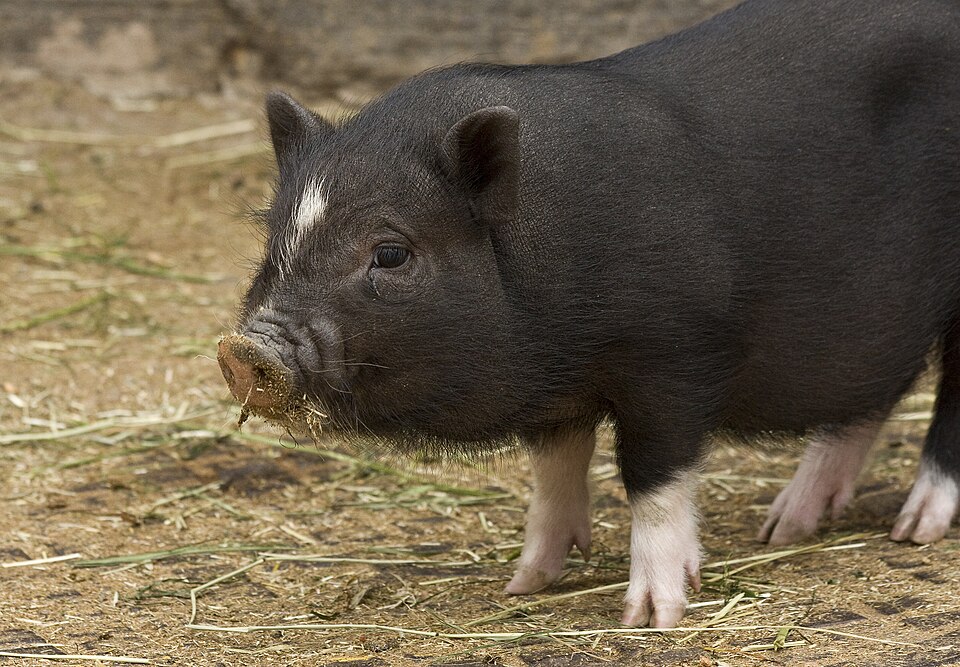
In the 1960s, the Brelands - two of behaviorist B.F. Skinners students - could boast that they had trained more animals than anyone in the country: over 9,000 animals of 75 different species. But back at The IQ Zoo, the Brelands noticed something very strange was happening. The animals they had trained began to misbehave. Pigs that had been trained to count coins stopped acting like cashiers, and began acting like pigs again. Piano-playing ducks reverted to duck-like behaviours. The dancing chicken stopped dancing and began pecking and scratching the dirt.
The Brelands realised that the animals had not been re-programmed at all, and even with regular refresher courses, their natural repertoire of innate, instinctual behaviours would spontaneously re-emerge. They called the phenomenon “instinctive drift,” and published a paper titled “The Misbehavior of Organisms,” which rapidly became one of the most influential papers in the history of behavior research. In it, they described a “persistent pattern of discomforting failures.”
Vortrag im Rahmen des Oberseminars: "Perspektiven der Wissenschaftsgeschichte".